



151
ST-A
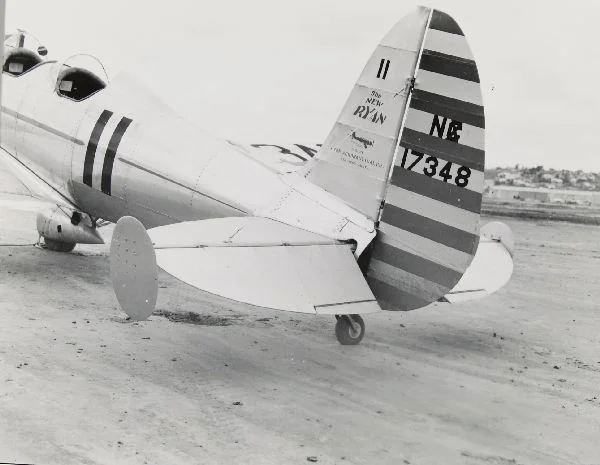
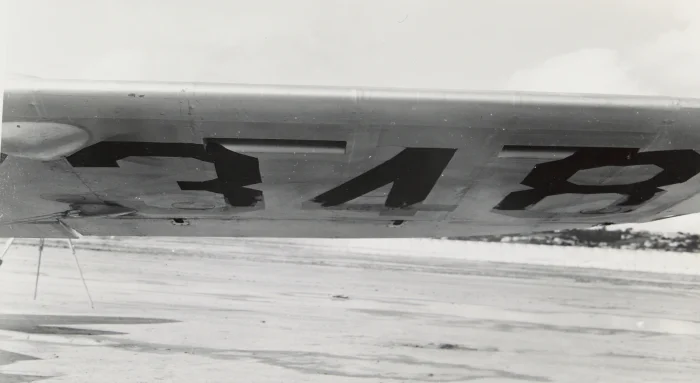
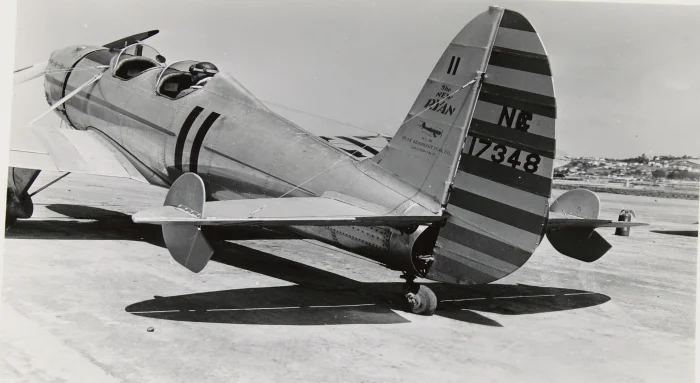
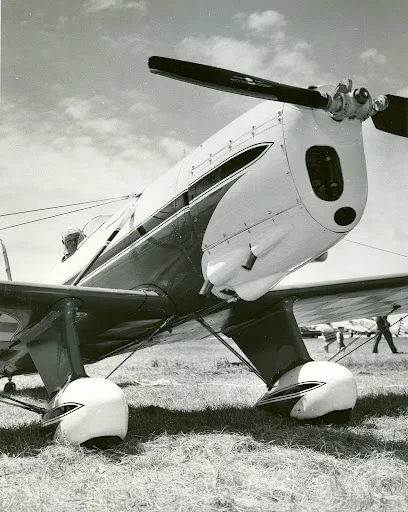
NC17348 (197) Ryan School 11 N42X N27JG
April 1937
571
Unknown
Menasco C-4 125 HP SN 265, Menasco D4-87 SN 4306, Ranger 6-L440 C5 200HP
Hartzell 718 SN
Parts stored, pending rebuild
Serial Number
Model
Registration
Date of Manufacturing
ATC
Price (USD)
Engine
Propeller
Current Status
History
Delivered new by O.J. Whitney, on April 22nd 1937, it was in turn sold to customer Patterson Airways, Daniel B. Mead, president.
In February 1938 it was sold to Matamoras Airways. Little is known of its use with the first two owners, presumably training and rental.
It is thought to have been involved in an accident. It turned out the ship was in storage at Flushing Airport, New York during the 1938 hurricane and floods.
It was completely dismantled, cleaned and inspected. It was still owned by Matamoras Airways at this time.
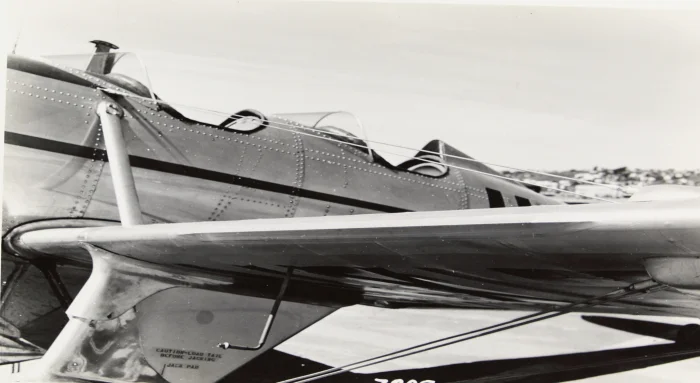
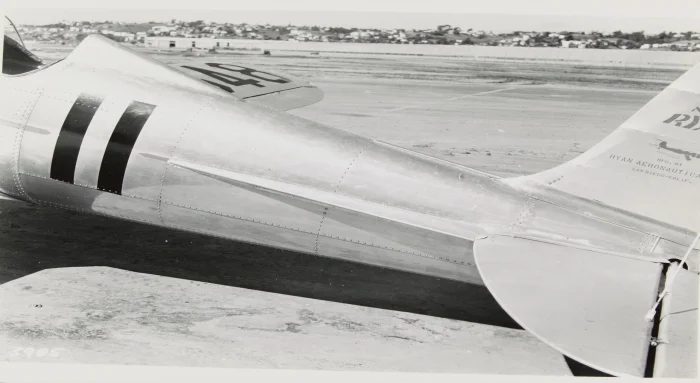
Next owner was W.P. Cutter, who used it for student training. He purchased it about July, 1940. He then sold it back to the Ryan Company, and Cutter himself made the ferry flight to San Diego. The Ryan company used it for spin tests when it was thought that ST-A aircraft had a negative center of gravity. They also used the aircraft in the Ryan school as ship #11.
About August 1941 it was purchased by Boyd C. Hawk. His brother mentioned in a letter to Ev Cassagnerers, that the Menasco was damaged on a flight from Great Falls, Montana when someone did not tighten an oil drain plug.
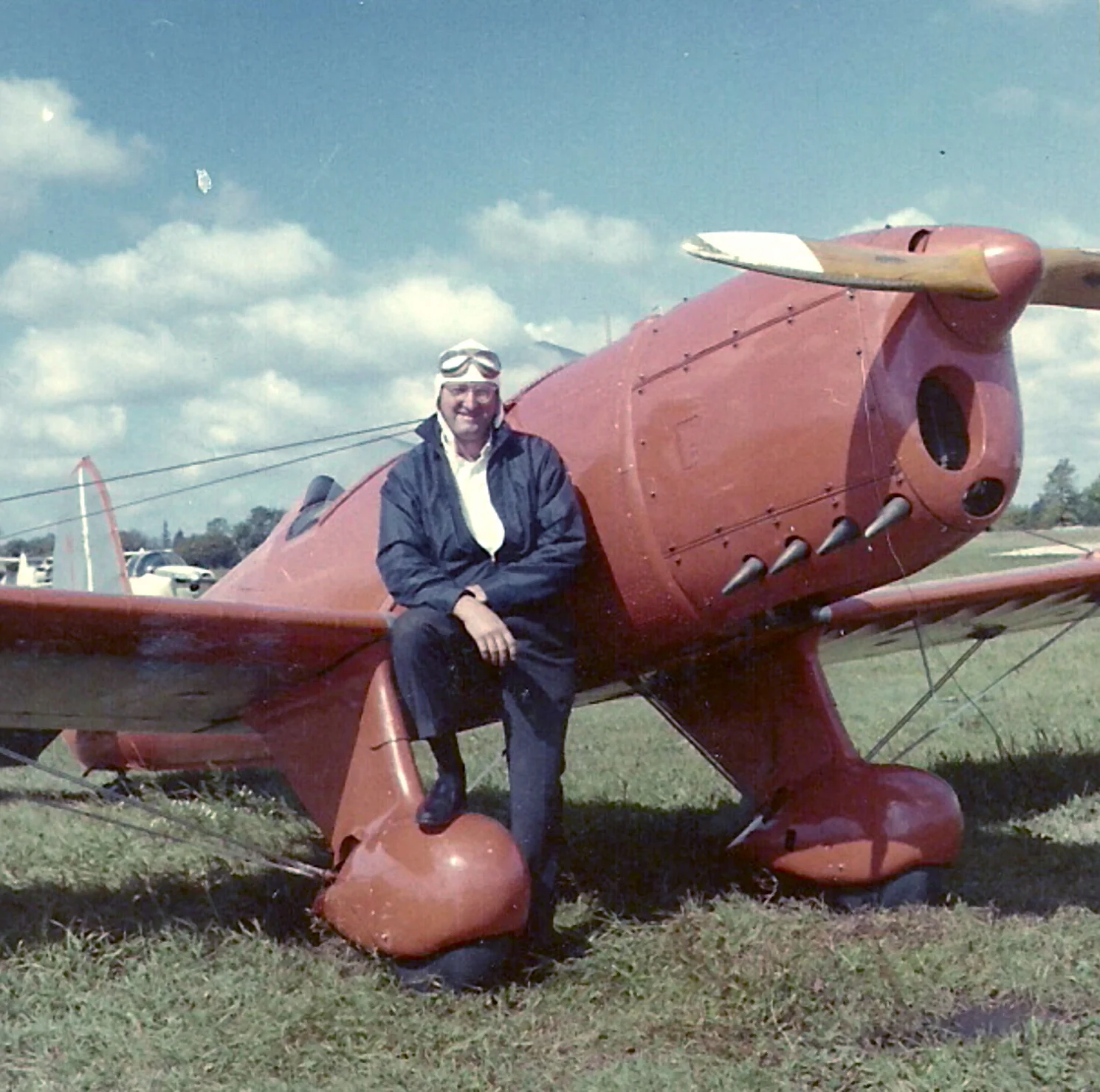
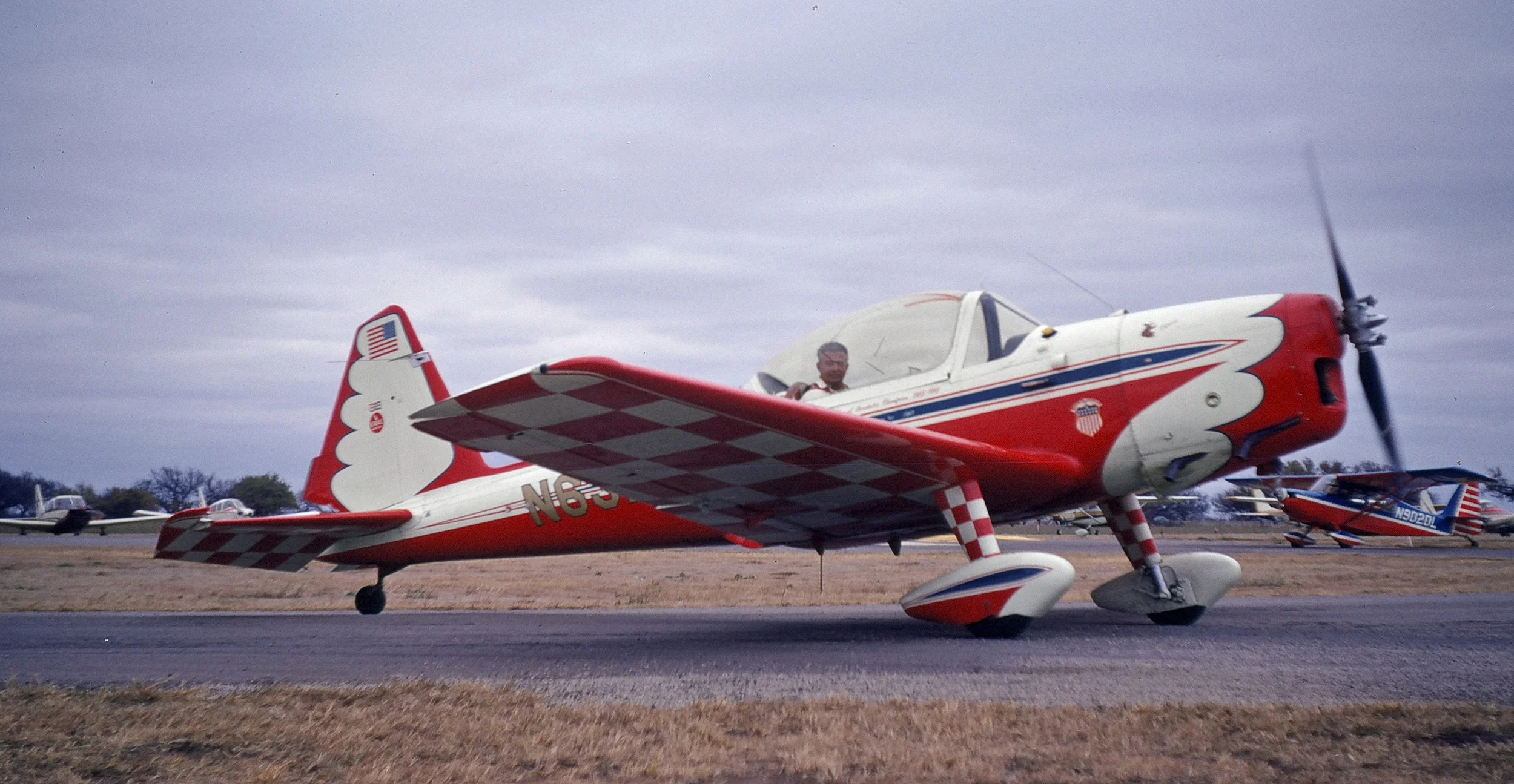
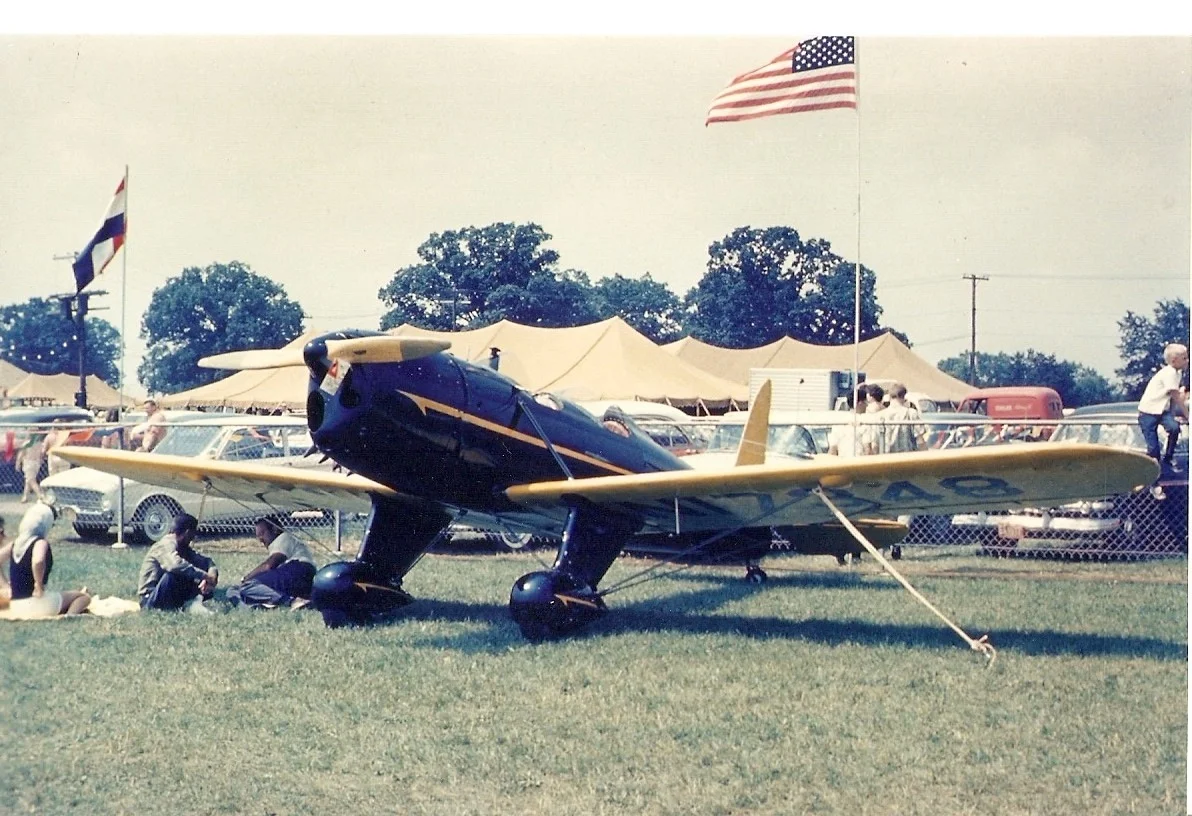
Later, in 1946 it was registered to Marvin Whiteman. On December 20th 1946 a Menasco D4-87 SN 4306 was installed. In June 1952 it was purchased by Mr. & Mrs. William Dodd, who claims he bought it from a fellow in Seattle who flew it to San Francisco, where Dodd was stationed at the time. He said it was in poor condition. He disassembled it and 10 months later he had it rebuilt and flying again. It flew for the first time in April, 1953. They kept it hangared at San Jose, California, then it went with them when they moved to Flint, Michigan, then Springfield, Missouri, and finally Prairie View, Illinois. It was painted metallic midnight Blue on the fuselage and gear with AN yellow wings and tail. They sold at about July 1966 to American Airlines Captain Robert L. Heuer.
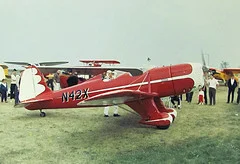
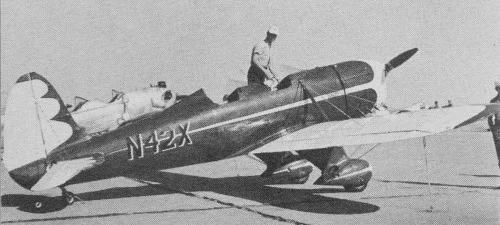
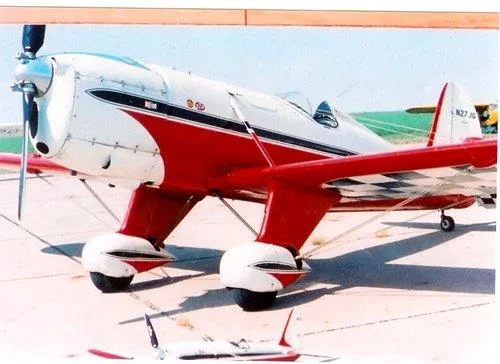
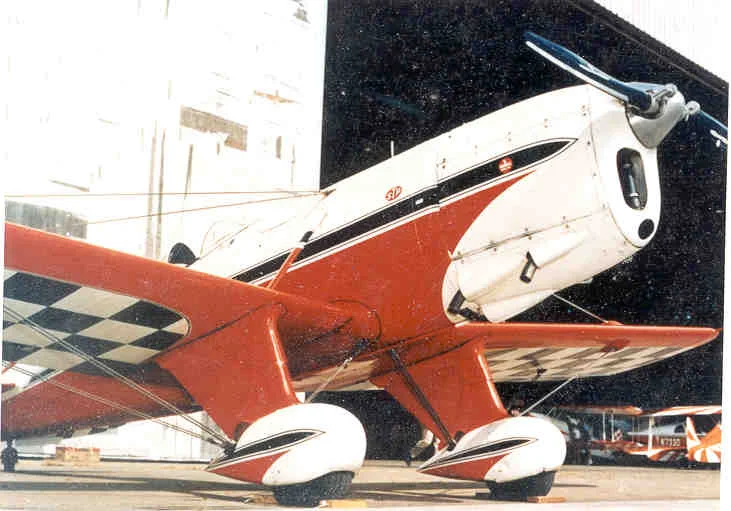
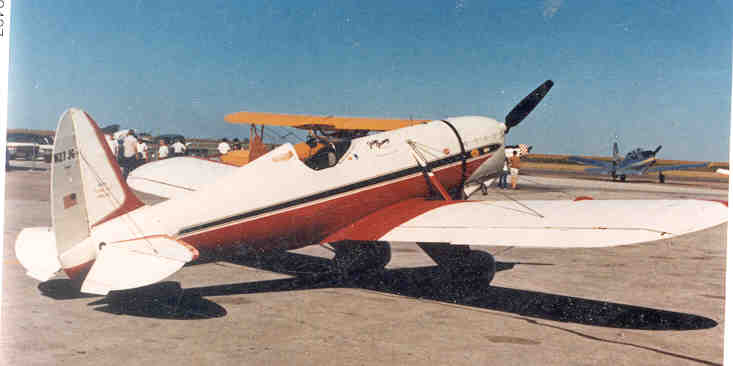
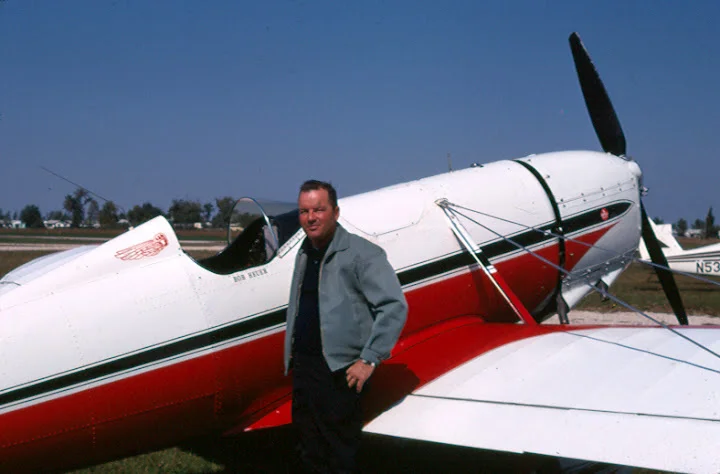
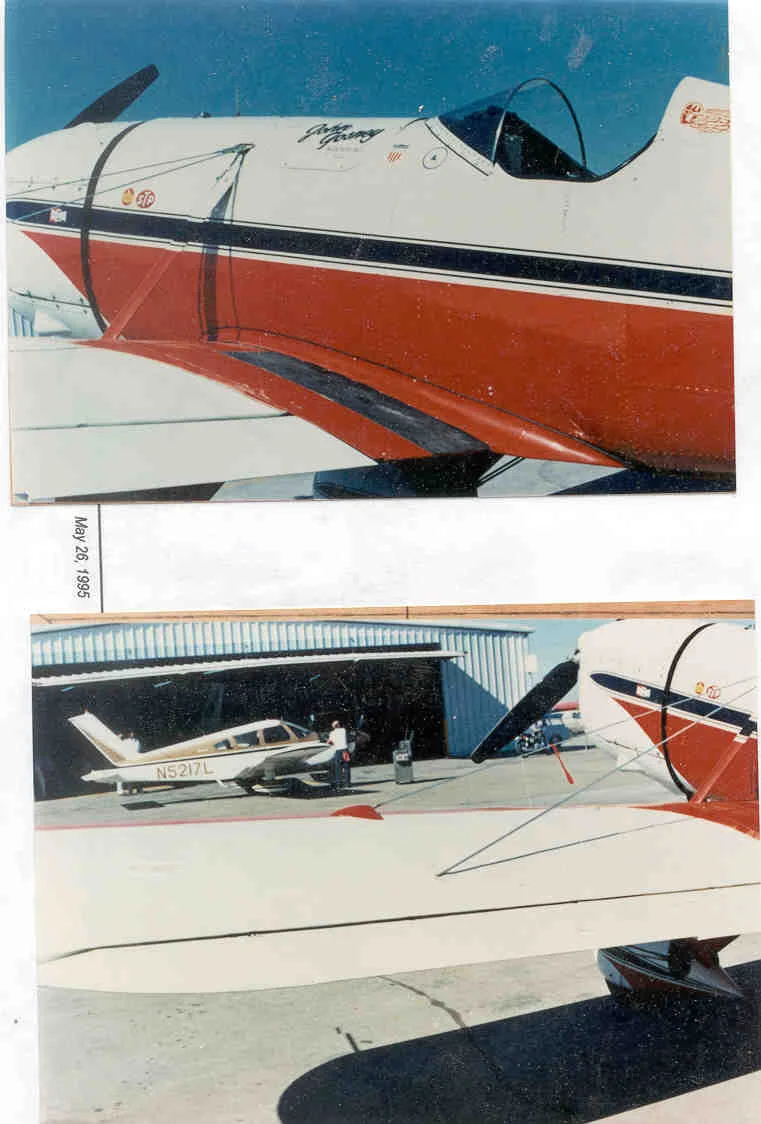
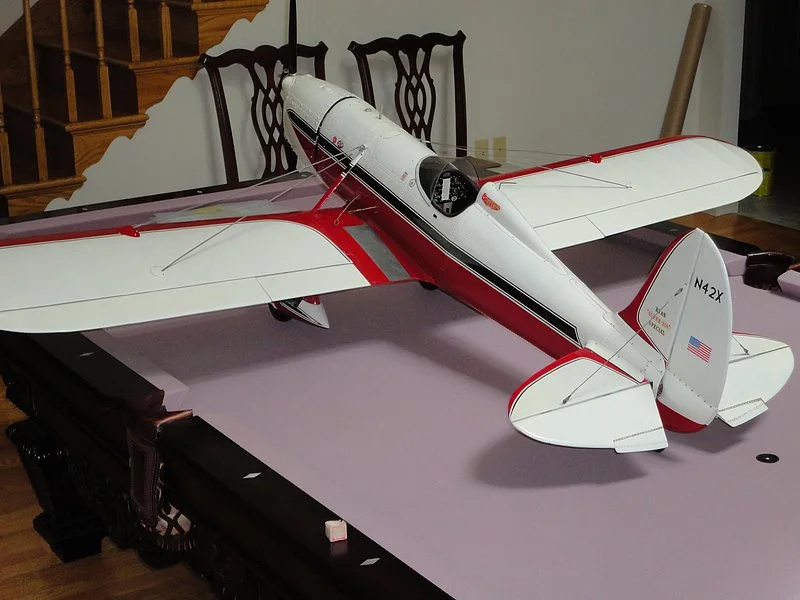
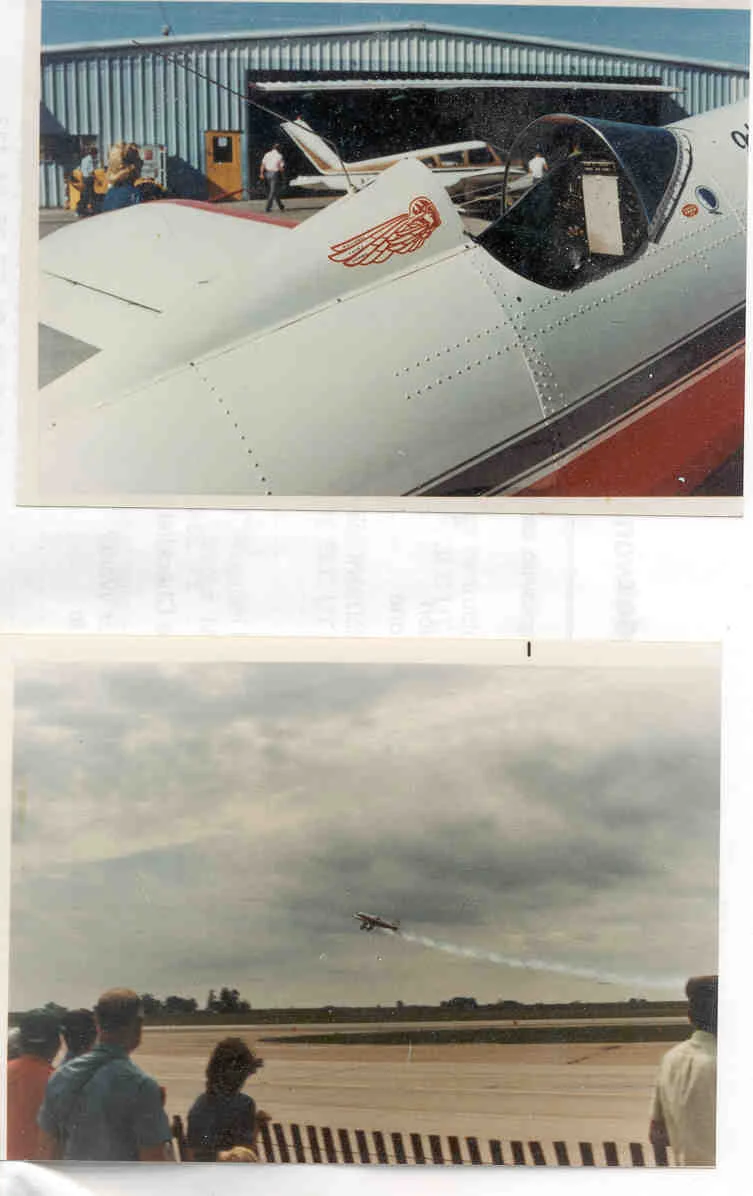
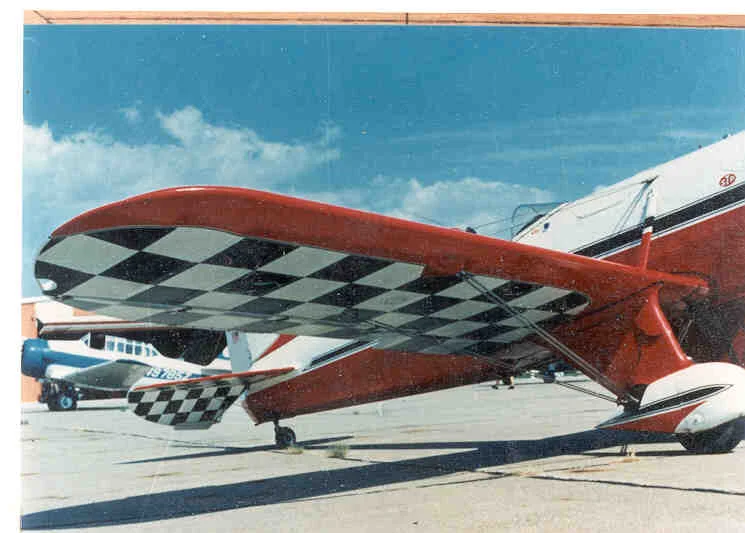
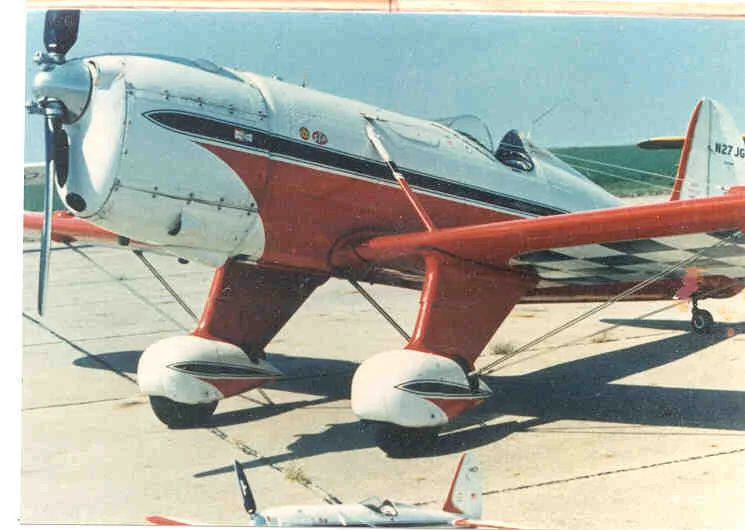
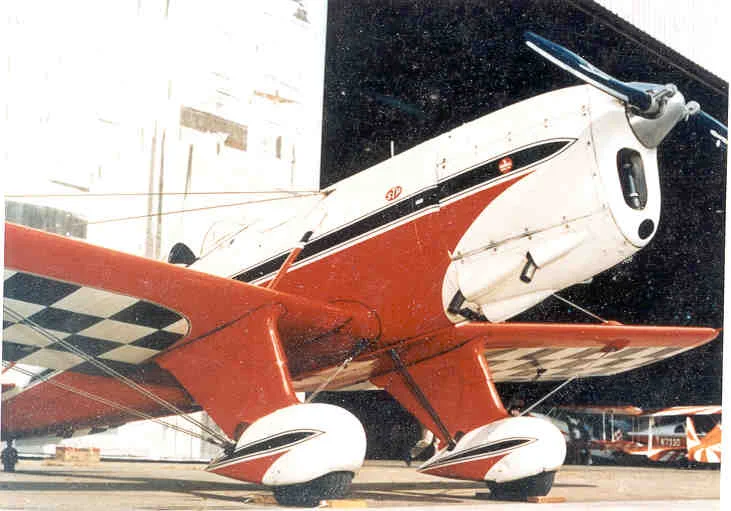
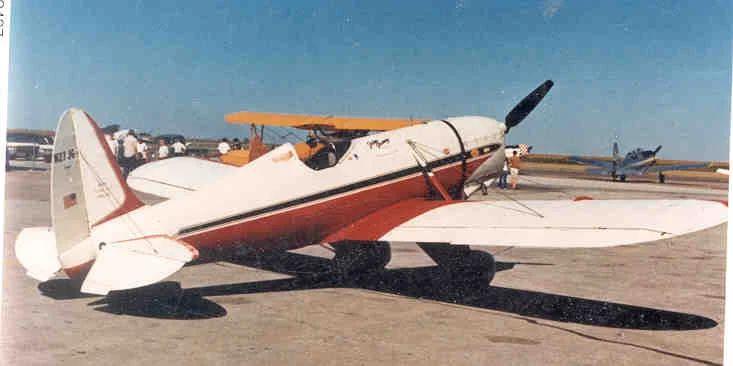
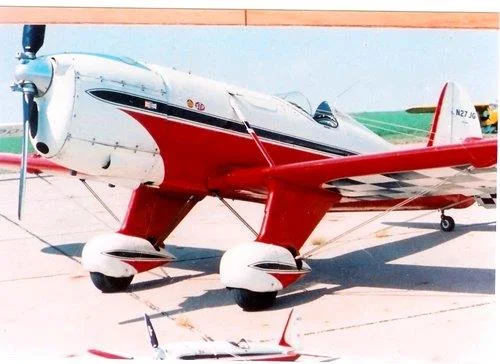
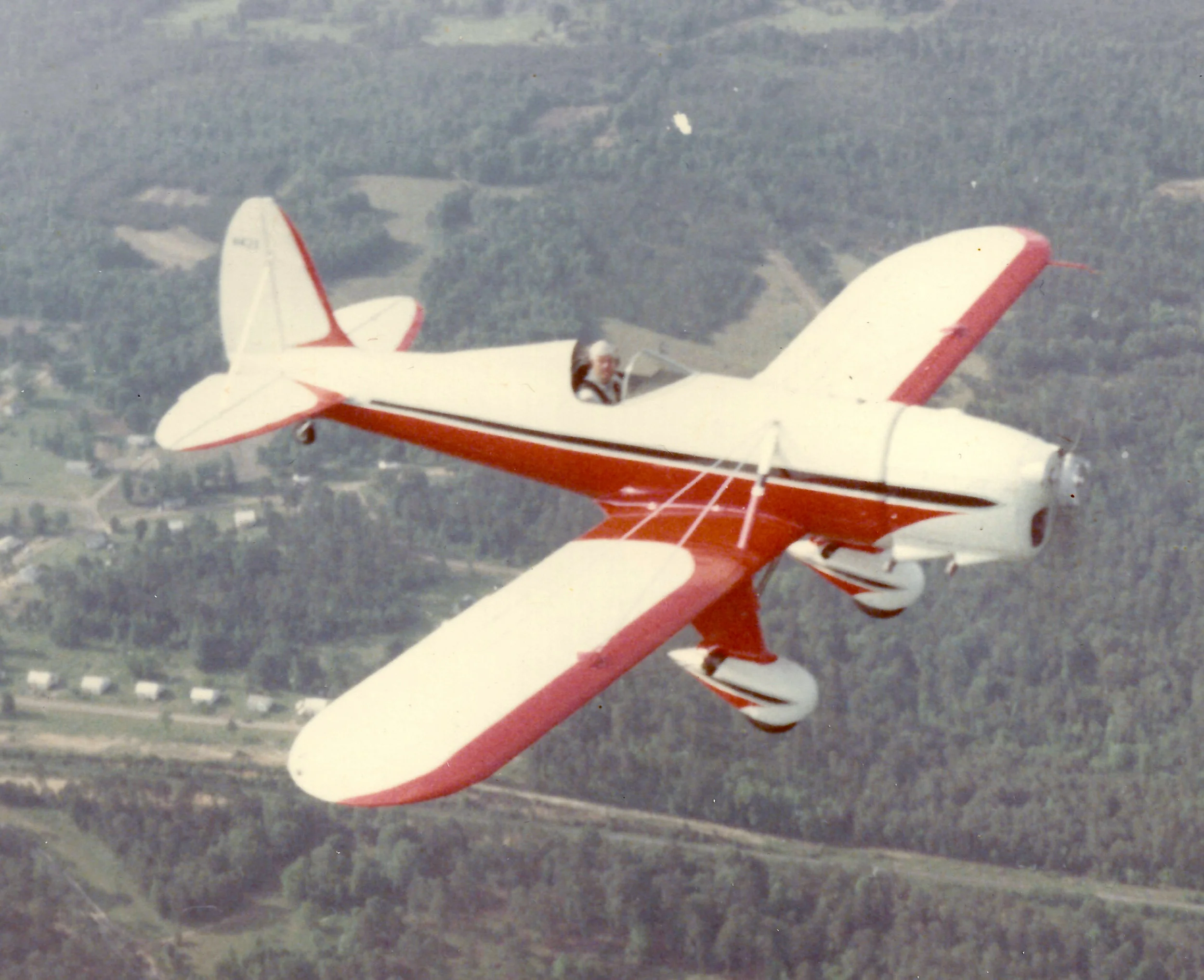
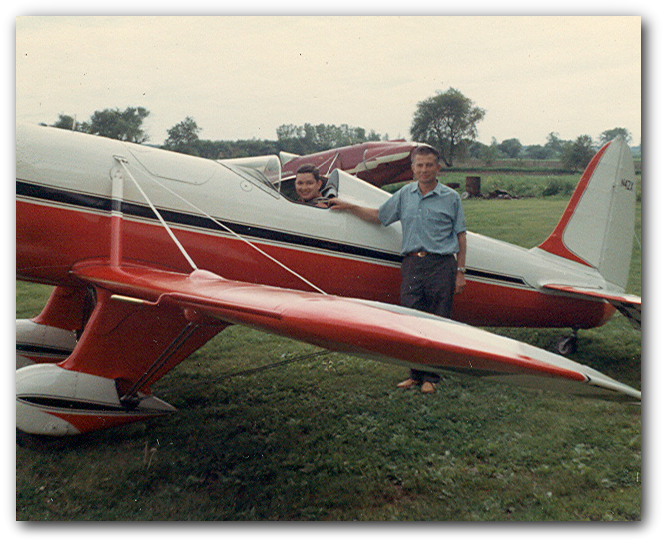
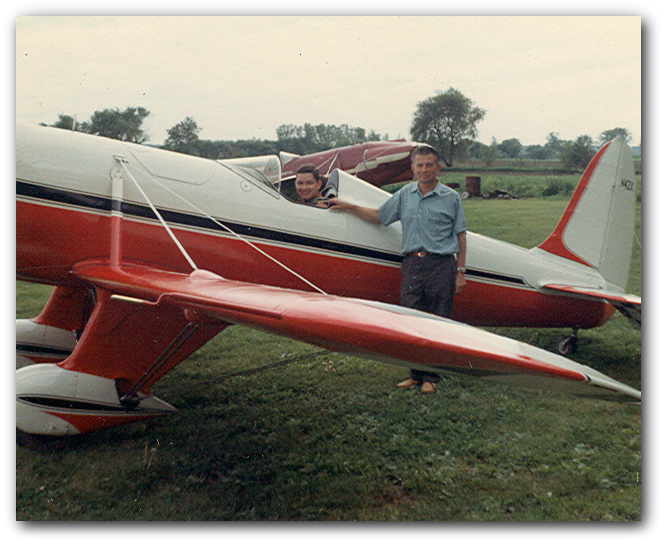
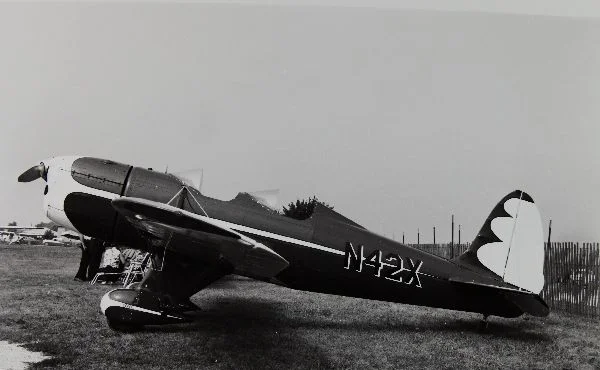
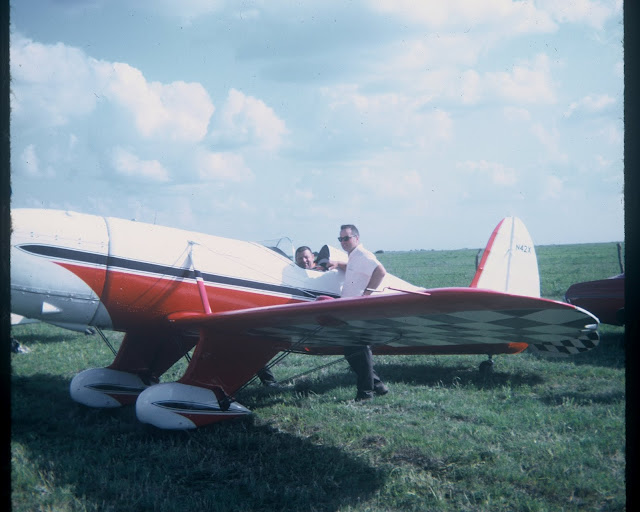
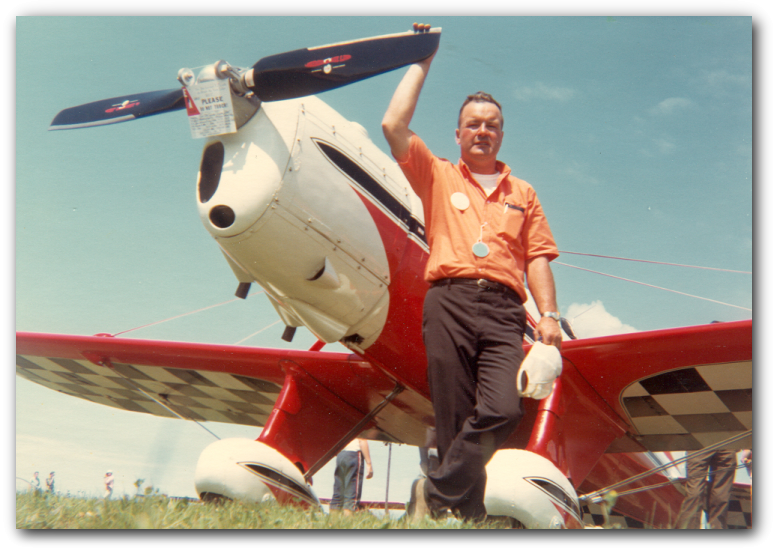
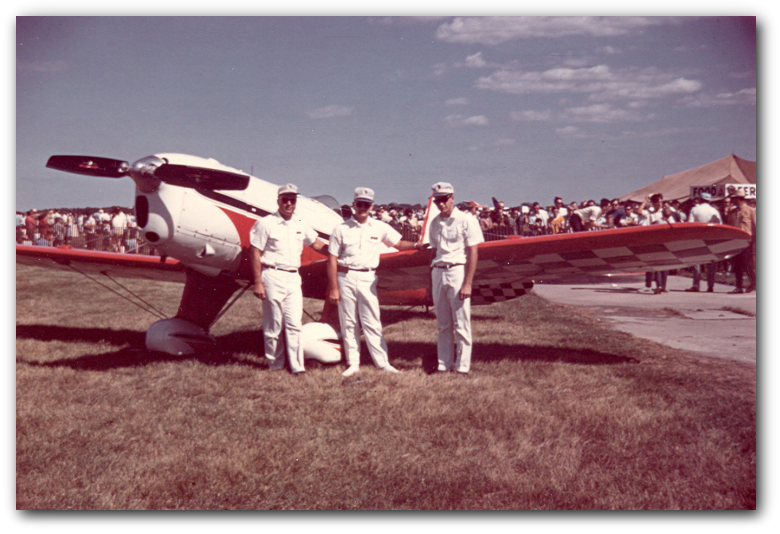
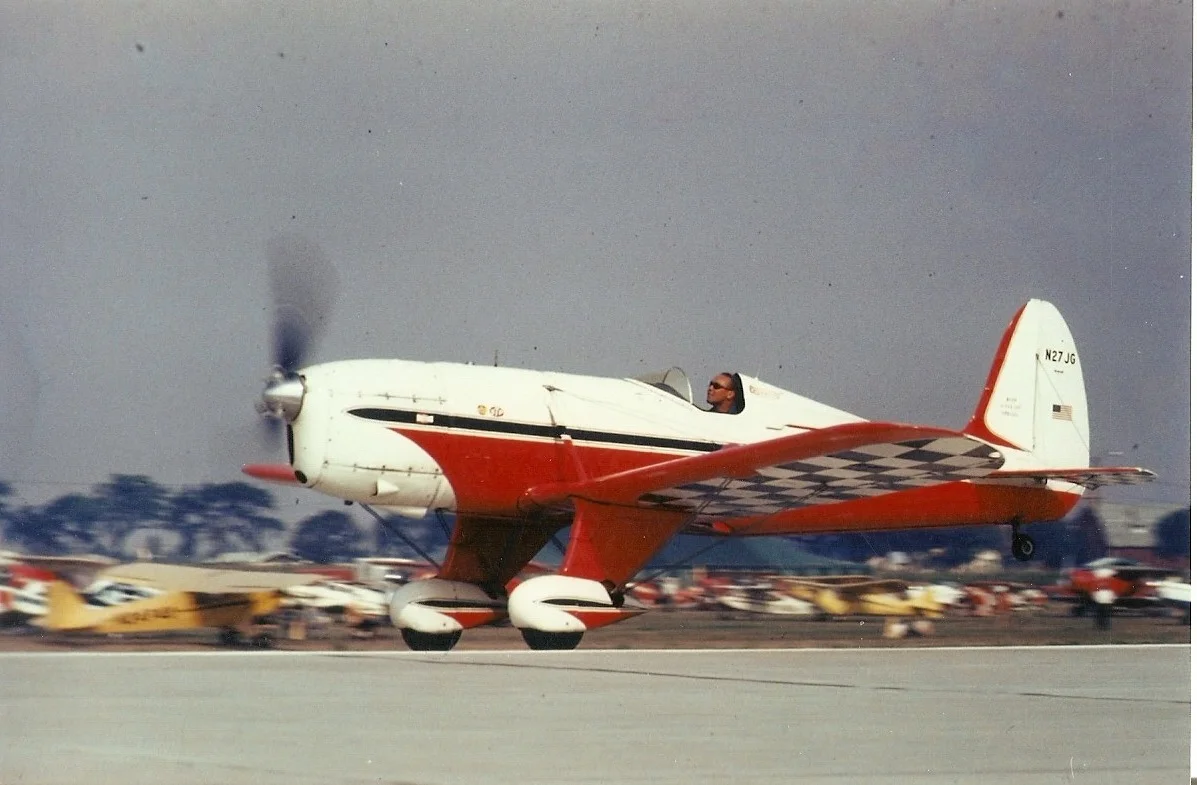
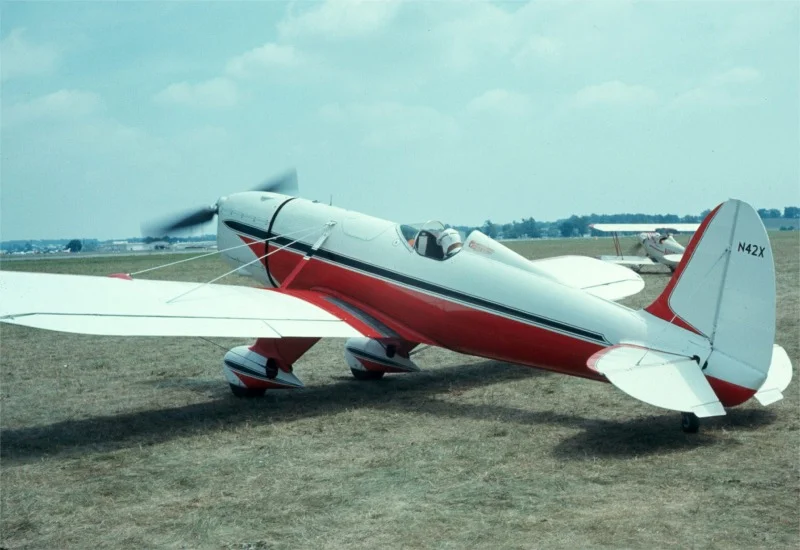
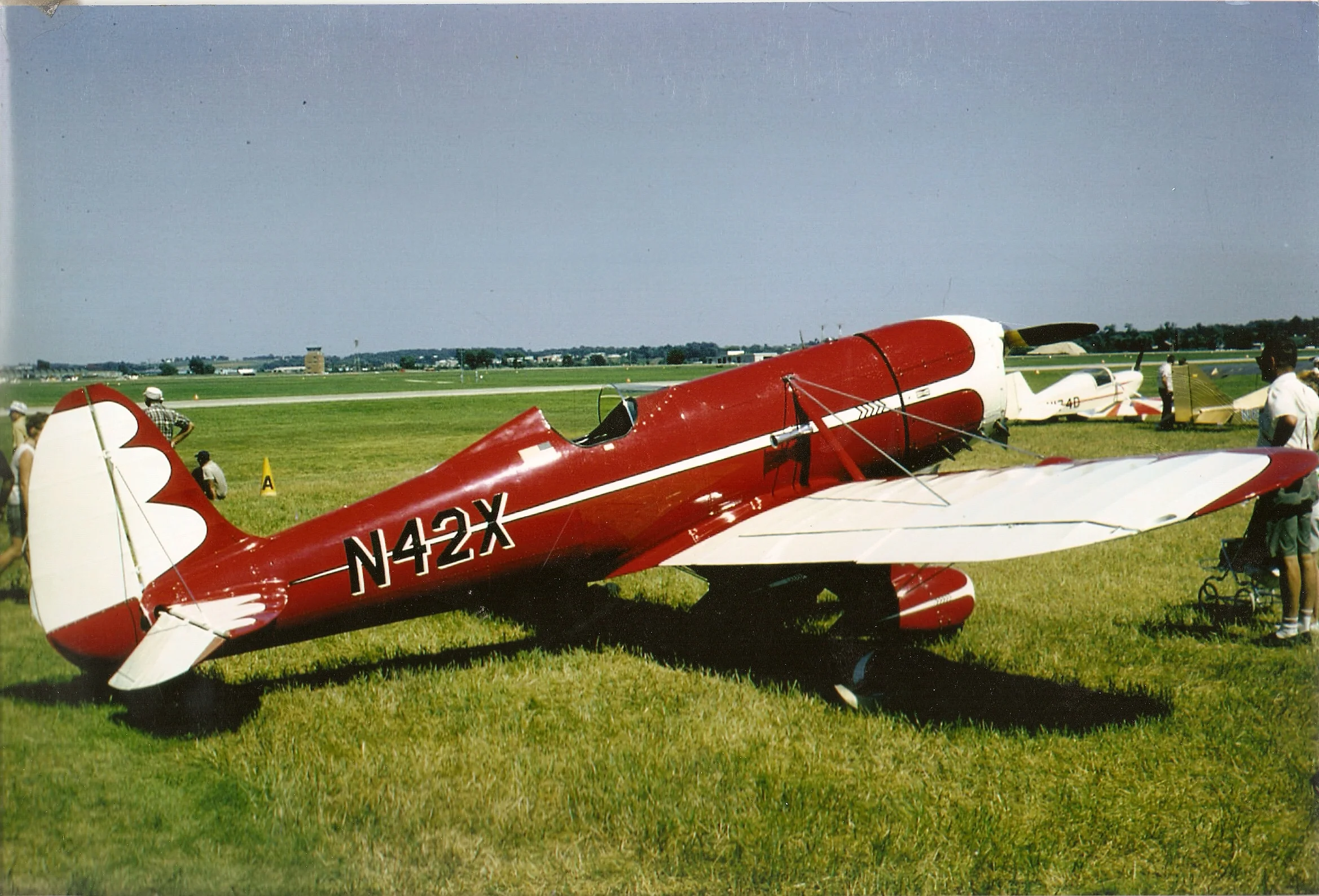
Capt. Heuer and his son Mike installed a new Menasco engine, painted the ship red and white and changed the registration to N42X.
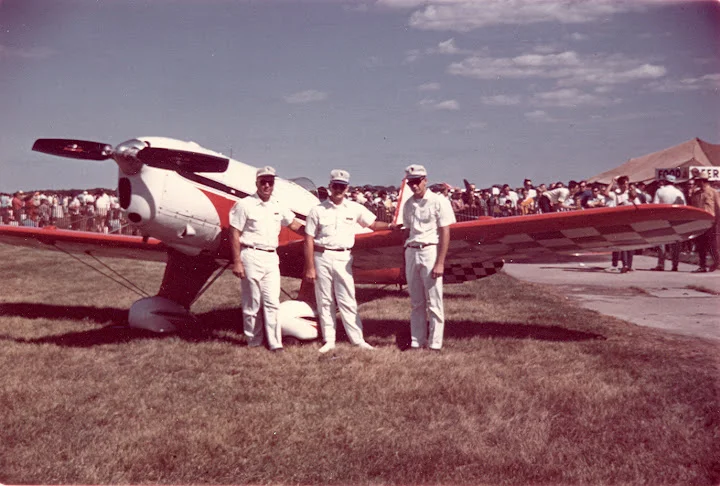
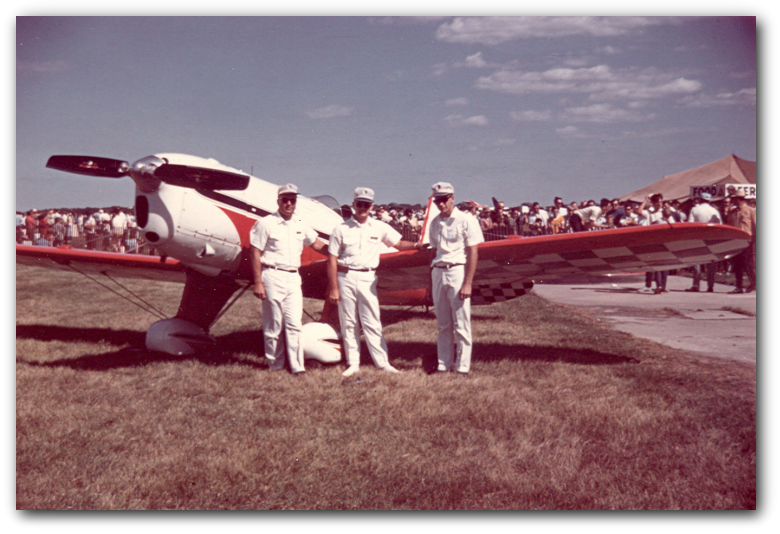
In 1967 they installed a Ranger 200 HP engine, and used it in air-shows throughout the Midwest.
Notes on the conversion via an article written by Mike Heuer in Sport Aviation, March 1968:
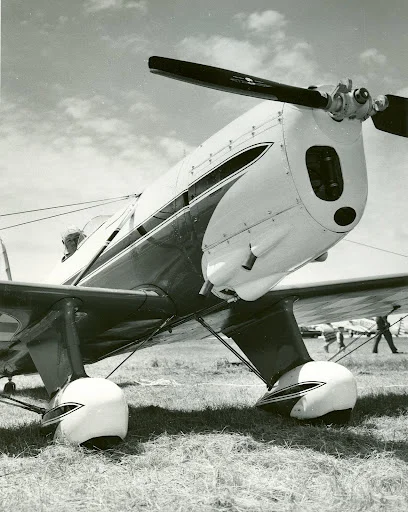
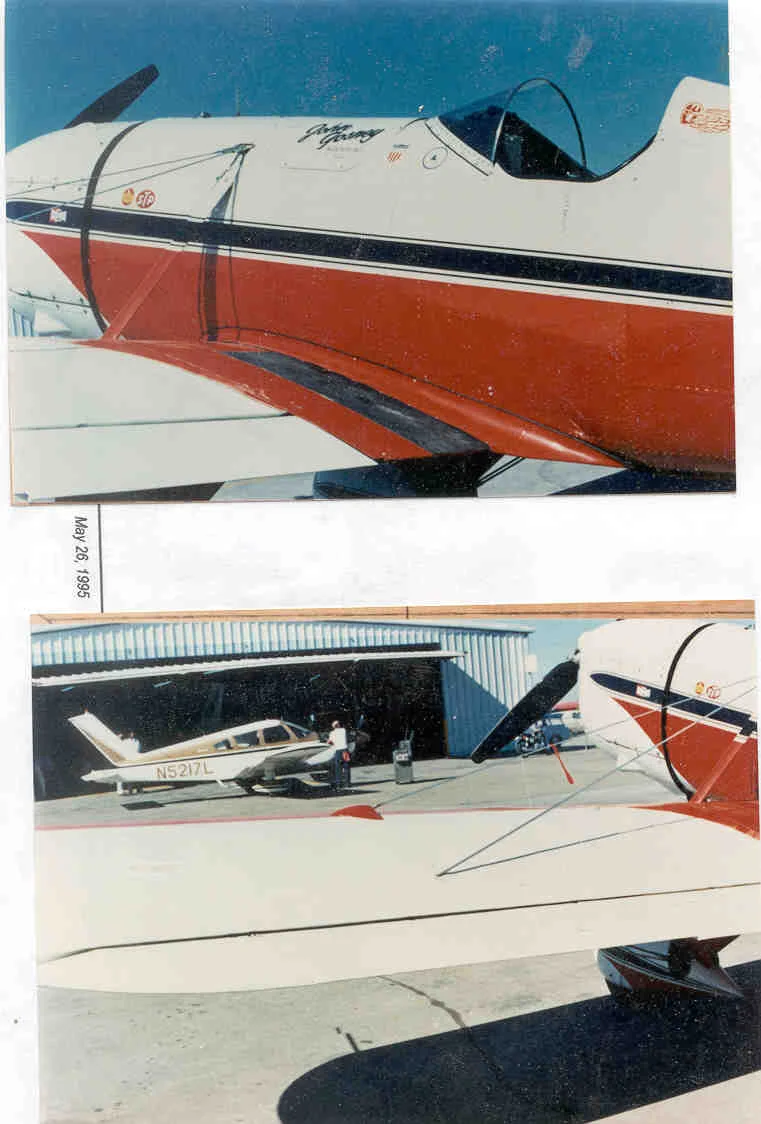
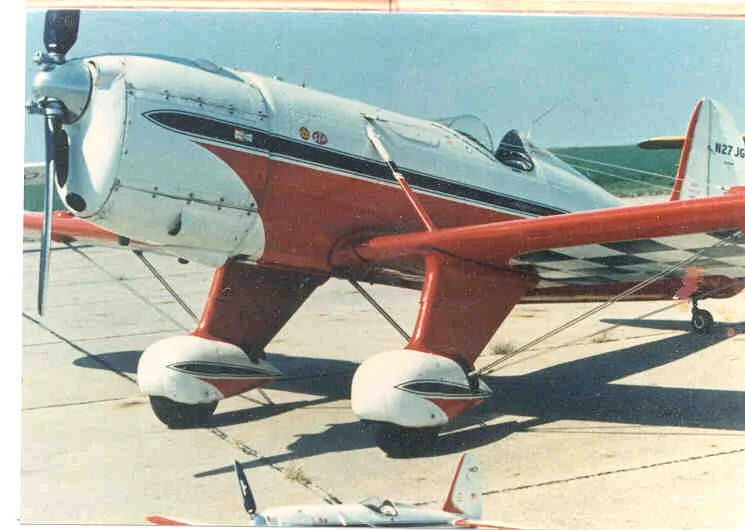
In 1967 after the EAA Aerobatic contest, in which Bob Heuer won the advanced level with the Ryan and the Menasco engine, the decision was taken to change the Menasco for a Ranger L-440-C5 engine of 200 HP. They knew that Harold Kreir had good success with this engine in a Chipmunk, and they knew that the much lighter Ryan would perform even better. They began by removing the Menasco, and modifying the Ryan fuel tank for inverted flight, they also installed a header tank. The air intake hole in the nose bowl was enlarged for higher capacity, and a scoop was added on the bottom cowl for the carburetor intake. Provision was made to hang a lightweight aluminum oil cooler under the engine and different exhaust stacks were made. A 2 inch strip of aluminum was added to the dishpan encircling the firewall to compensate for the increased length of the engine. The distance from the front of the engine to the firewall is only 2 ½ inches longer than the Menasco installation, because they set the ranger back as far as possible by recessing the firewall for appearance and weight and balance purposes. They placed no counterweight in the tail, and with any pilot weight between 140-200 pounds the CG stayed within limits. The Oil tank was temporarily mounted in the front seat, making it a single seat aircraft, but the plan was to re locate the oil tank, and restore the use of the front seat.
They completed the work, and all connections, and then had the Ranger engine rebuilt. The aircraft was licensed by FAA maintenance agent, George Brice, on October 4th, 1967 in the experimental category for exhibition aircraft. The conversion took two months of constant work to complete.
The first test flight took place on the same day as the license was issued, and even though some small adjustments were required to the propeller and carburetor performance exceeded all expectations.
The Ryan now had a rate of climb in excess of 2000 feet per minute, depending on the weight, and cruised at 140 MPH. They reported that the flight characteristics were unchanged but spin recovery appeared to be quicker, and the aircraft was easier to fly with the increased power, although it floated quite a bit on landing. The aircraft would gain speed rapidly, and maintain speed better in vertical manoeuvres. It became a much better aerobatic aircraft, but it was noted that the next project was increasing the rate of roll.
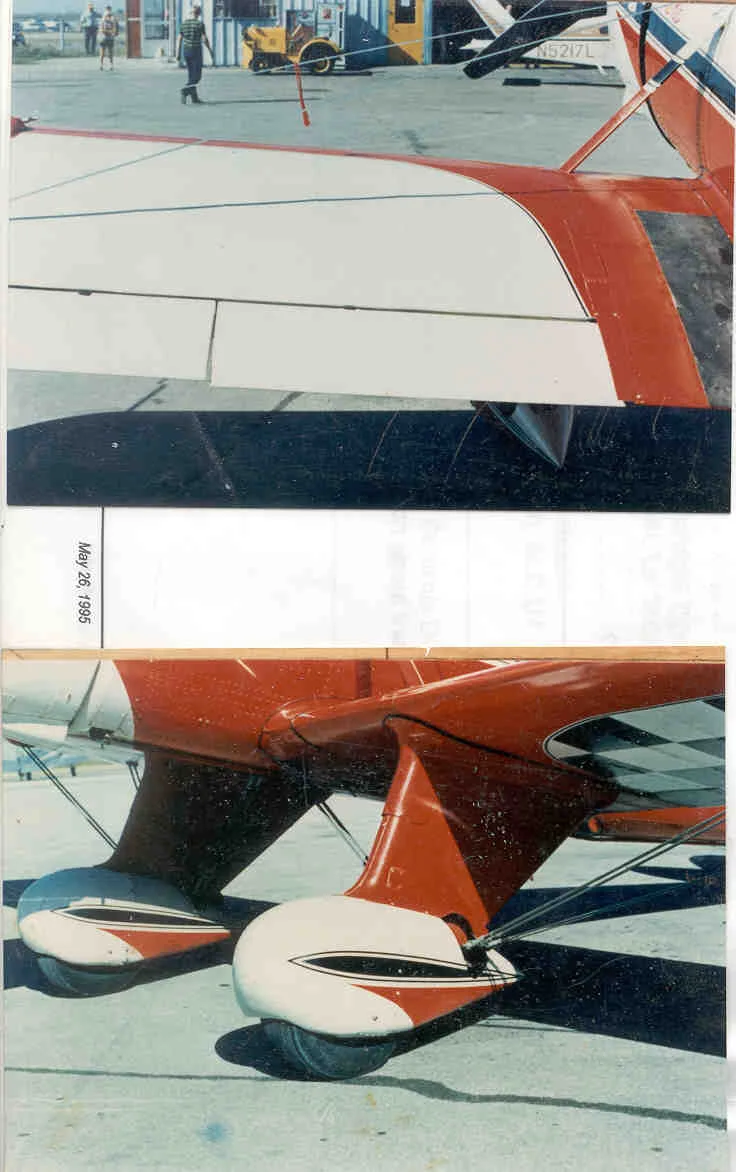
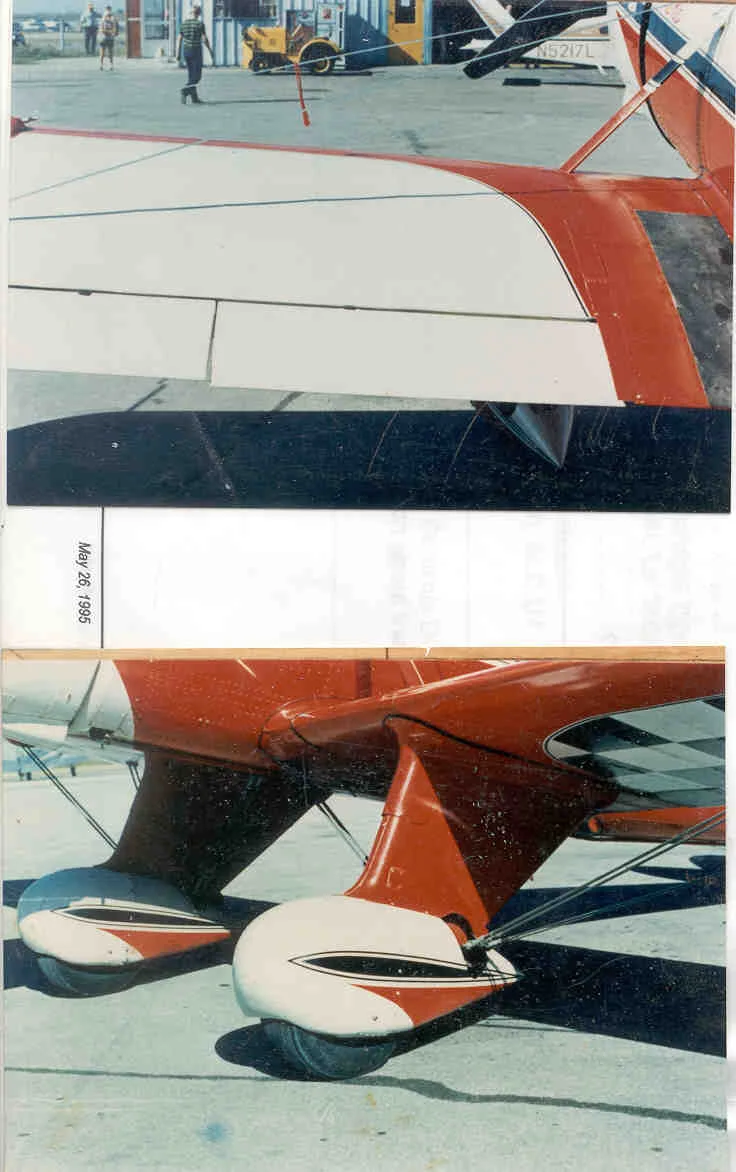
They subsequently increased the span of the ailerons, and decreased the flaps span as a result.
On completion of the modifications they renamed the aircraft a Ryan “Super 200”
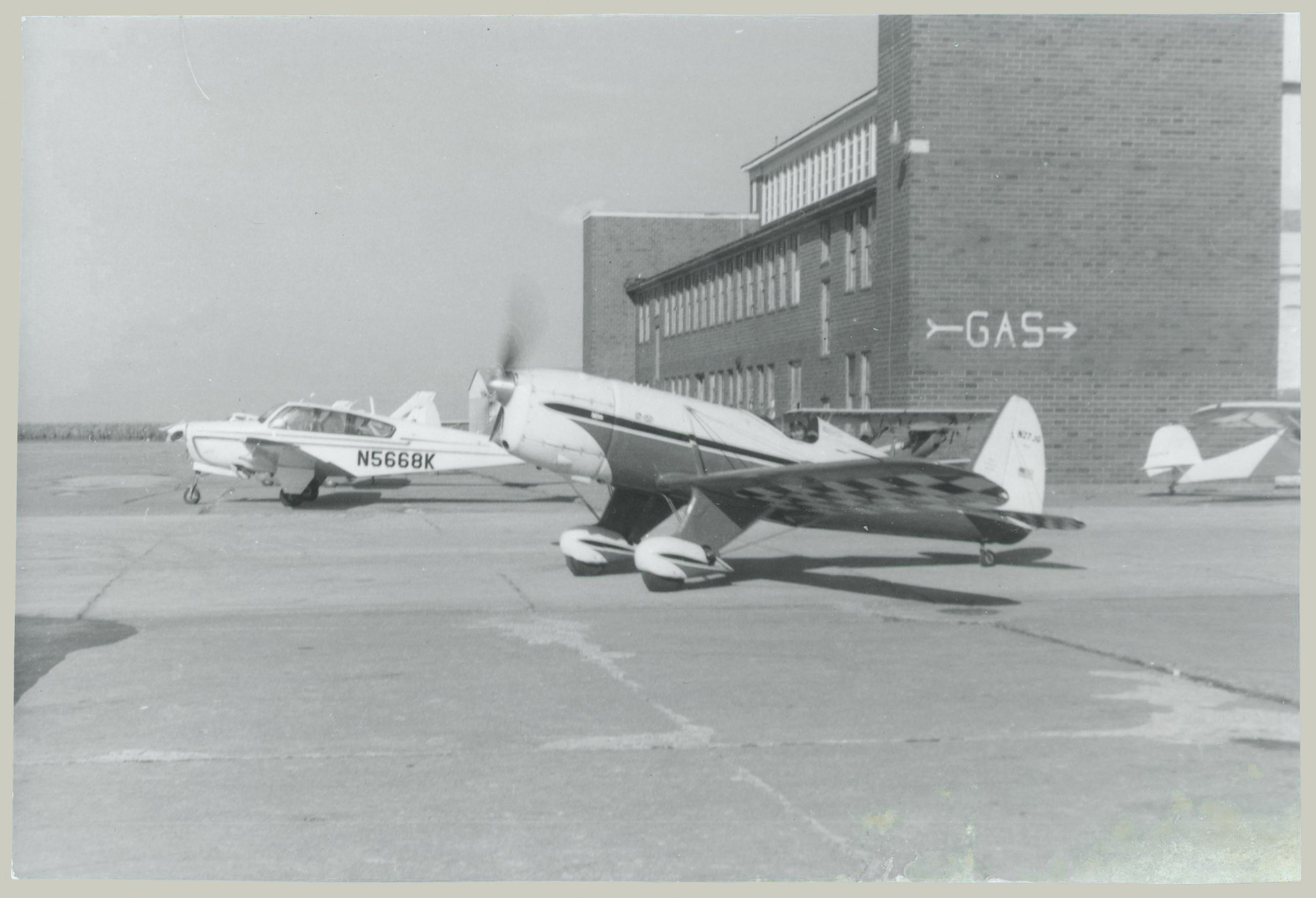
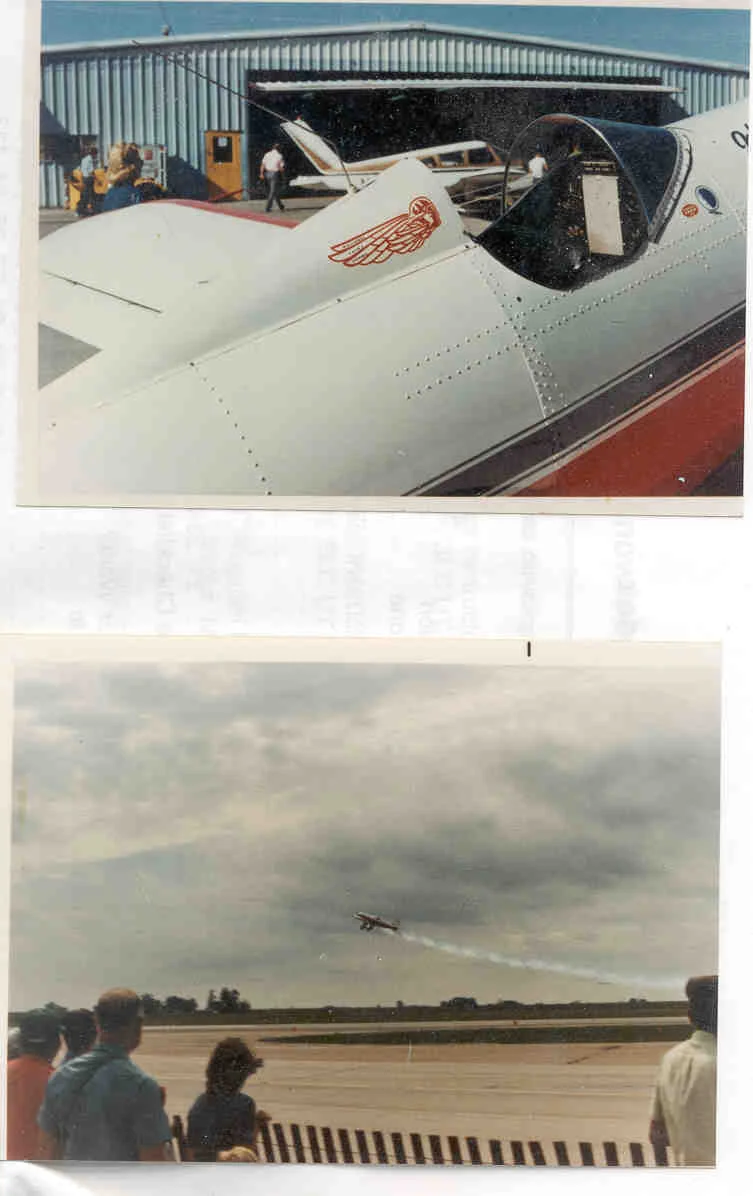
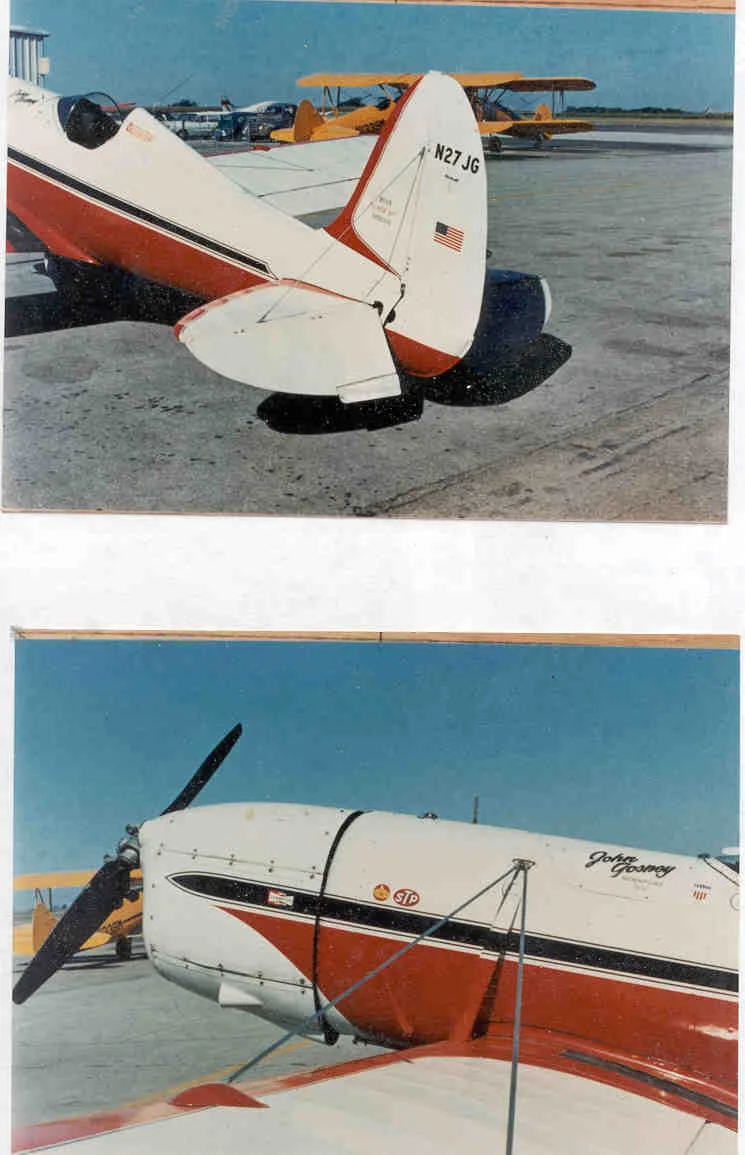
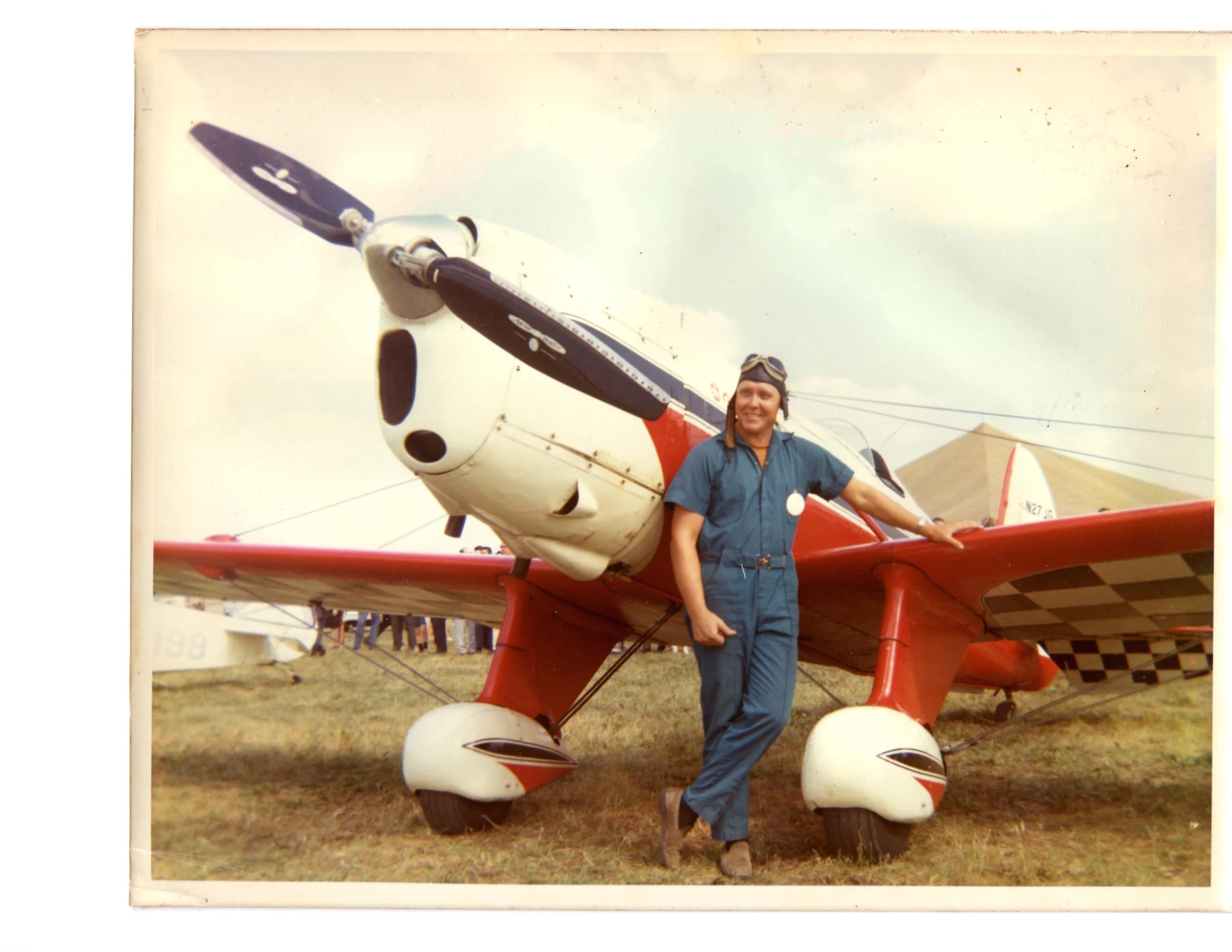
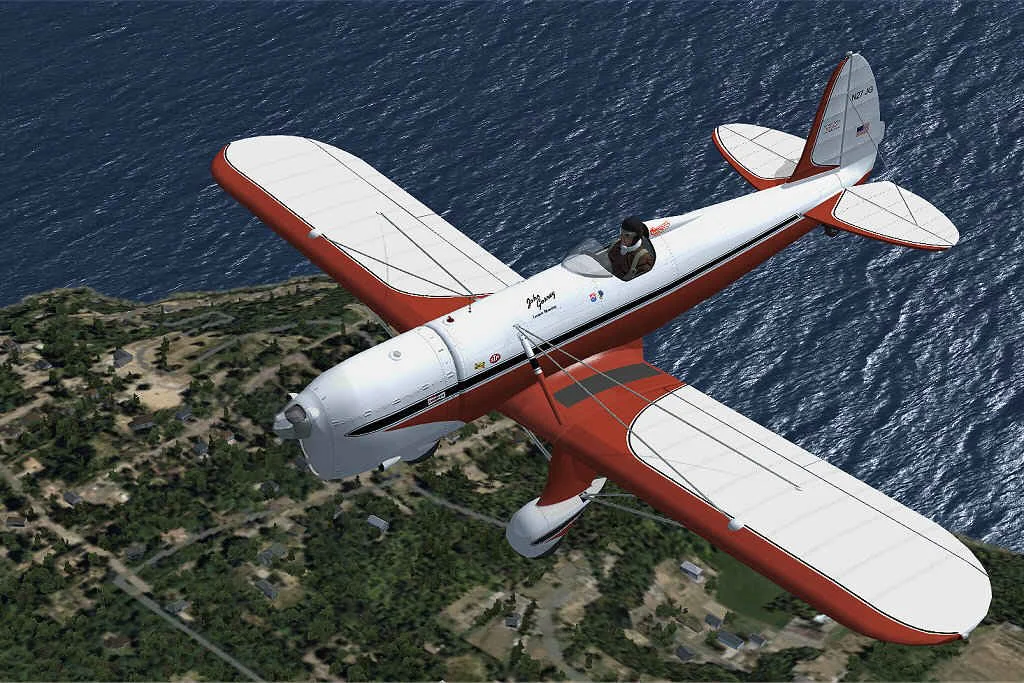
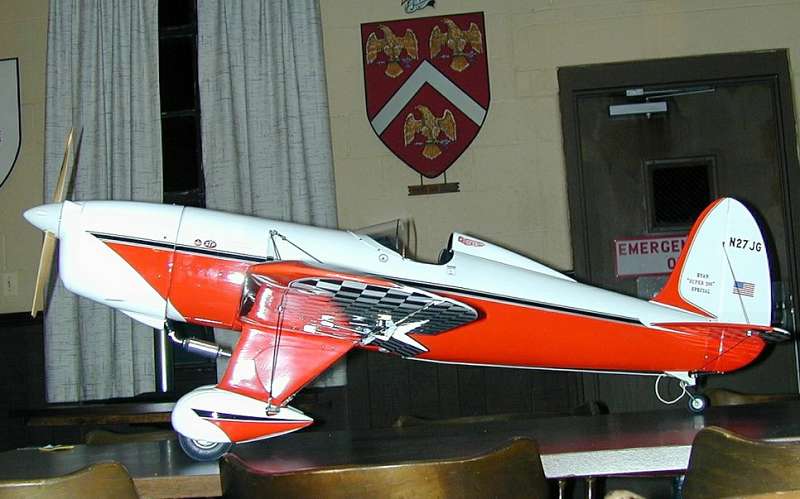
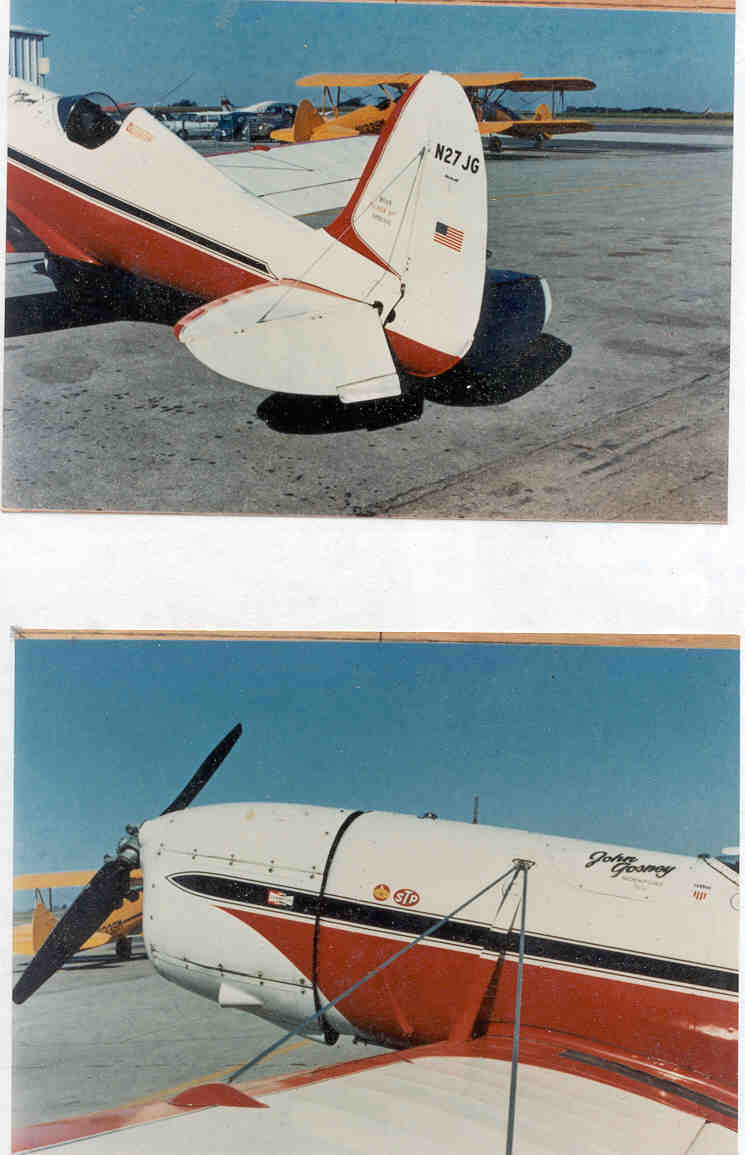
Eventually they sold the aircraft to John Gosney, who also used it for aerobatics and competition. The airplane was often used on TV and in an advertisement on the “FBI” program filmed at the Nut Tree Airport, California. Mr. Gosney changed the registration to N27JG.
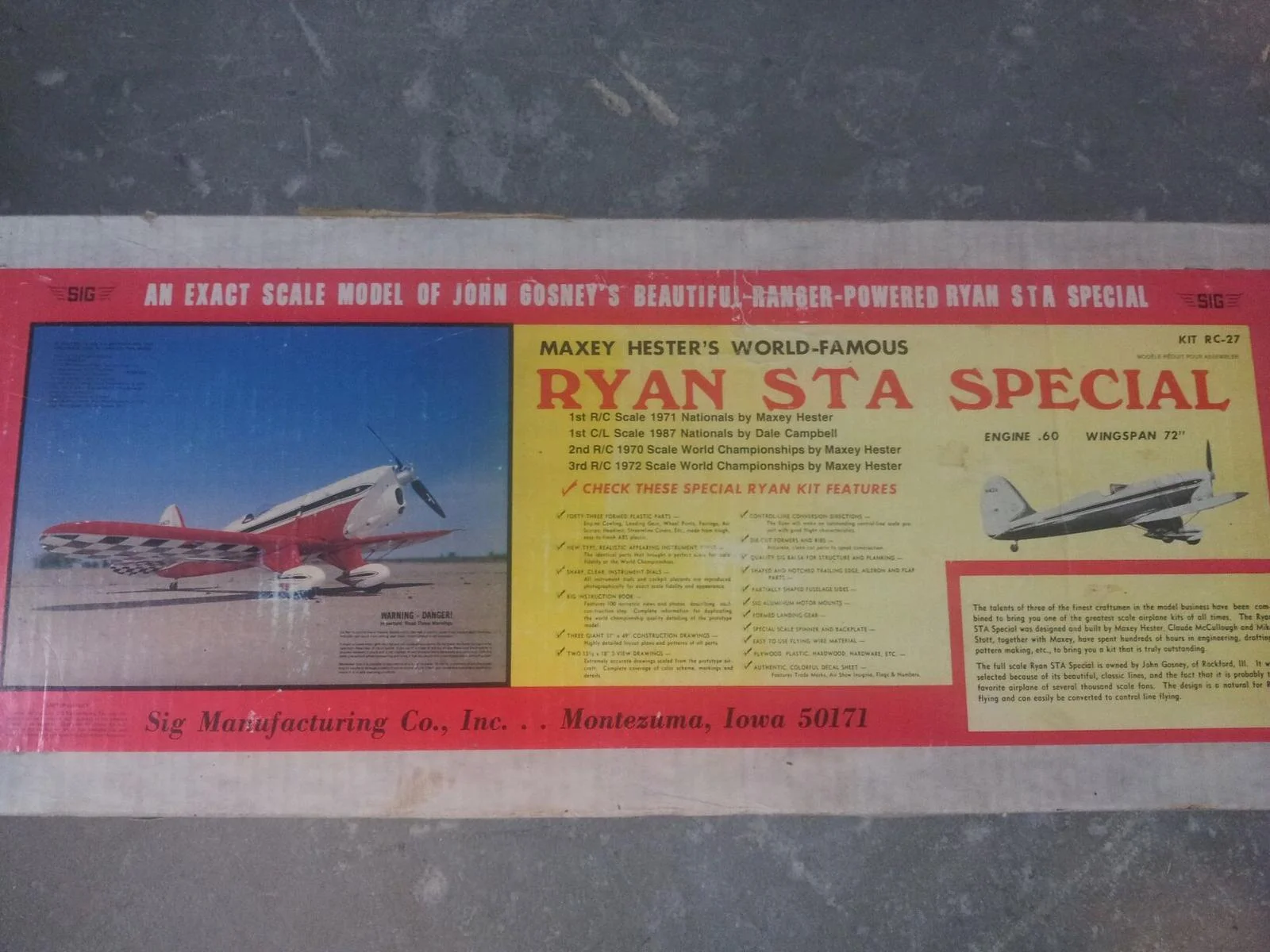
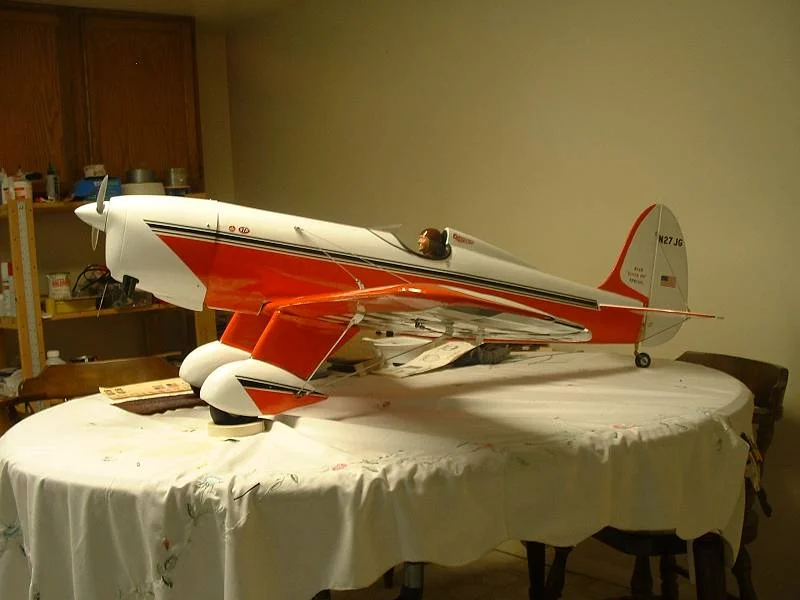
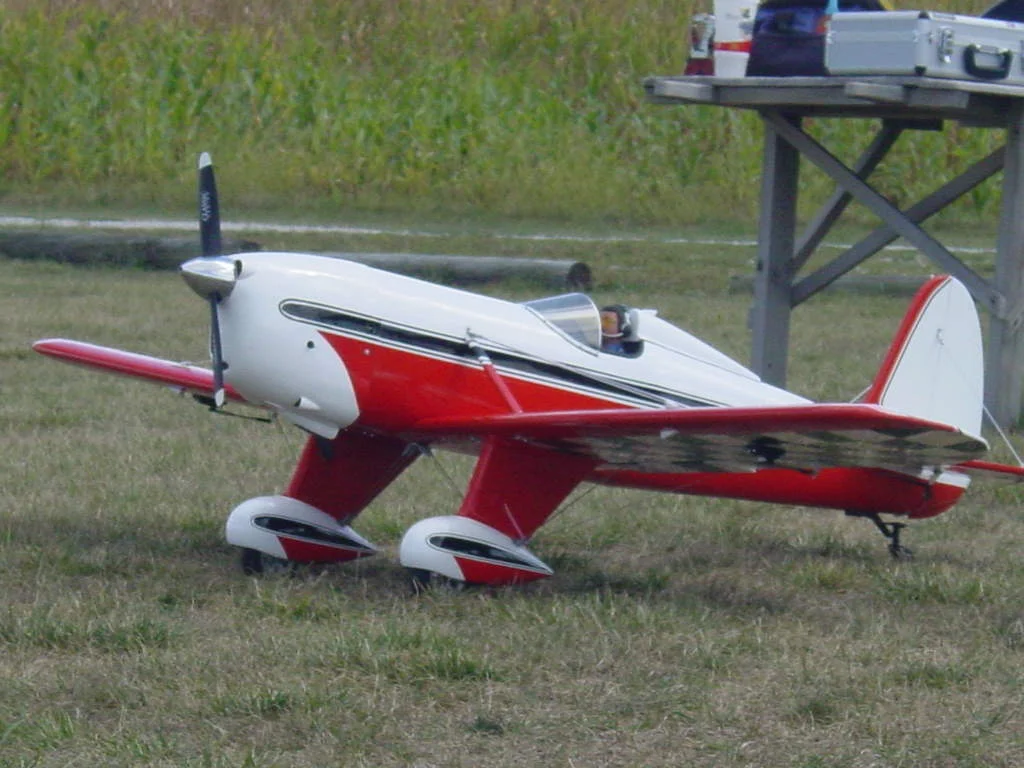
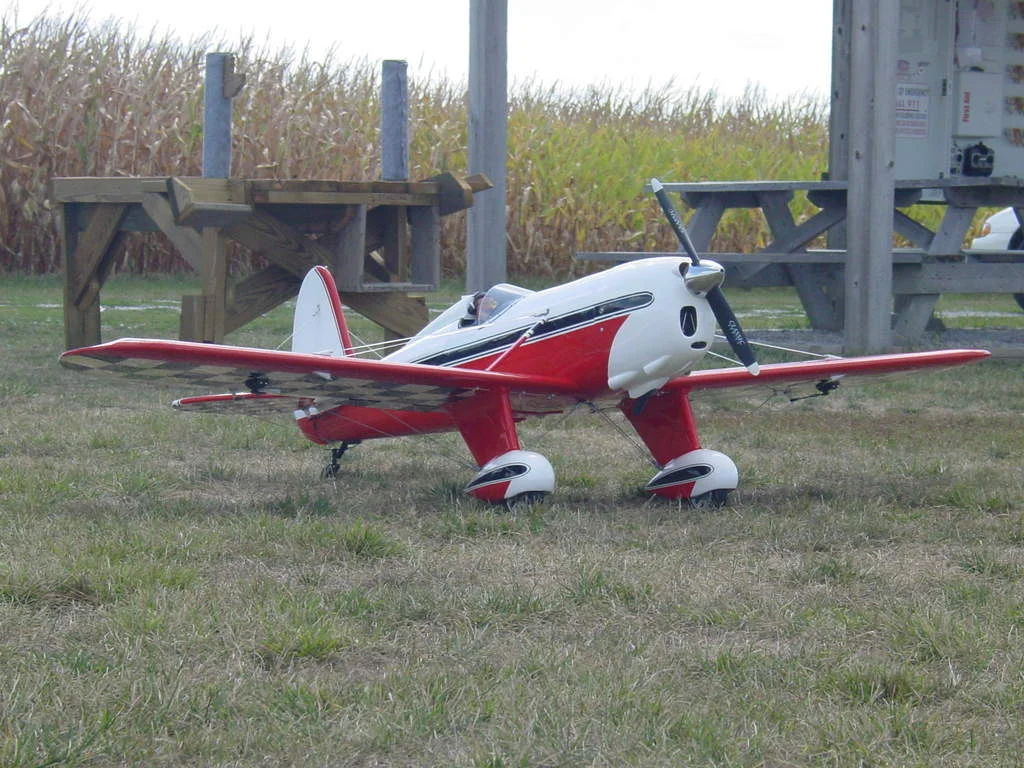
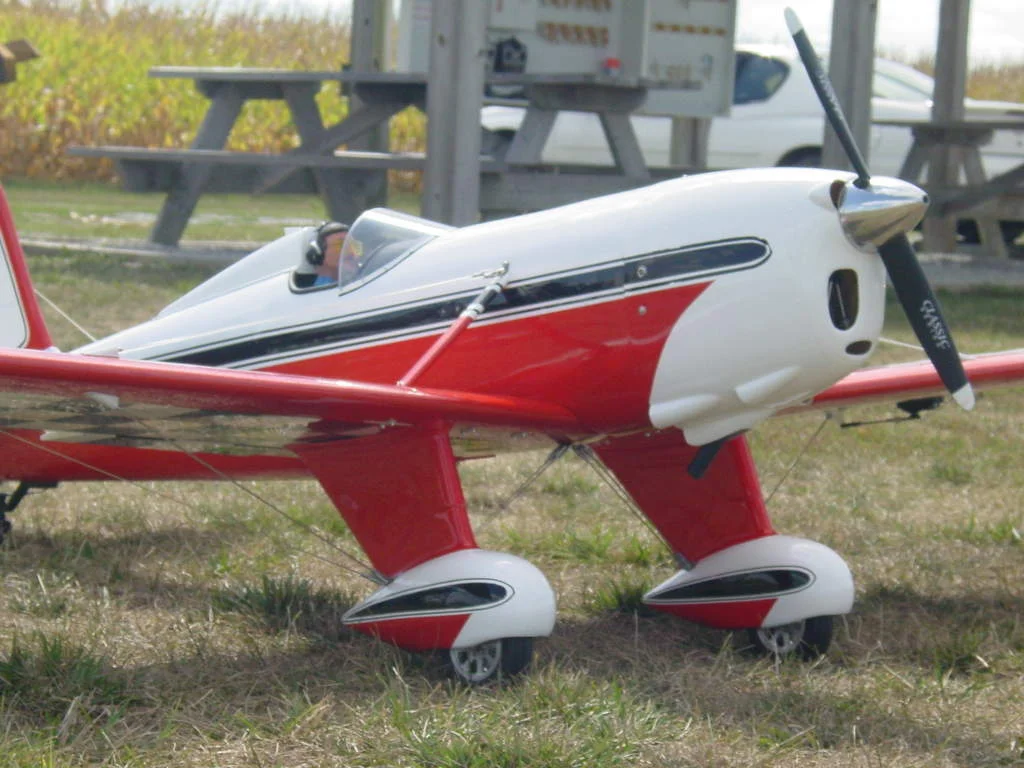
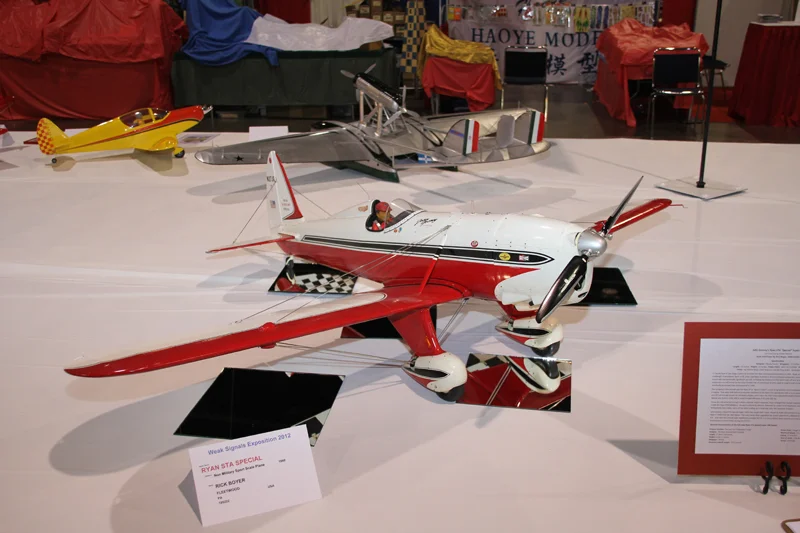
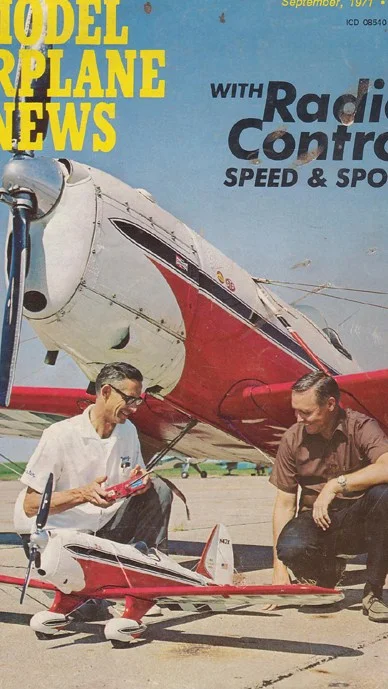
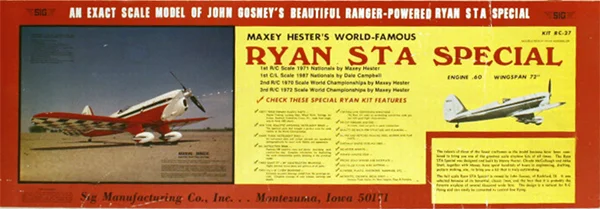
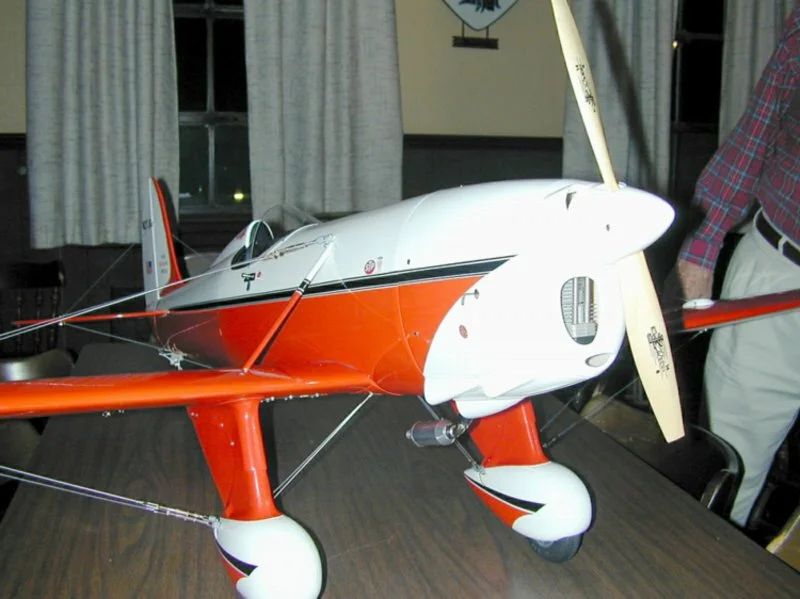
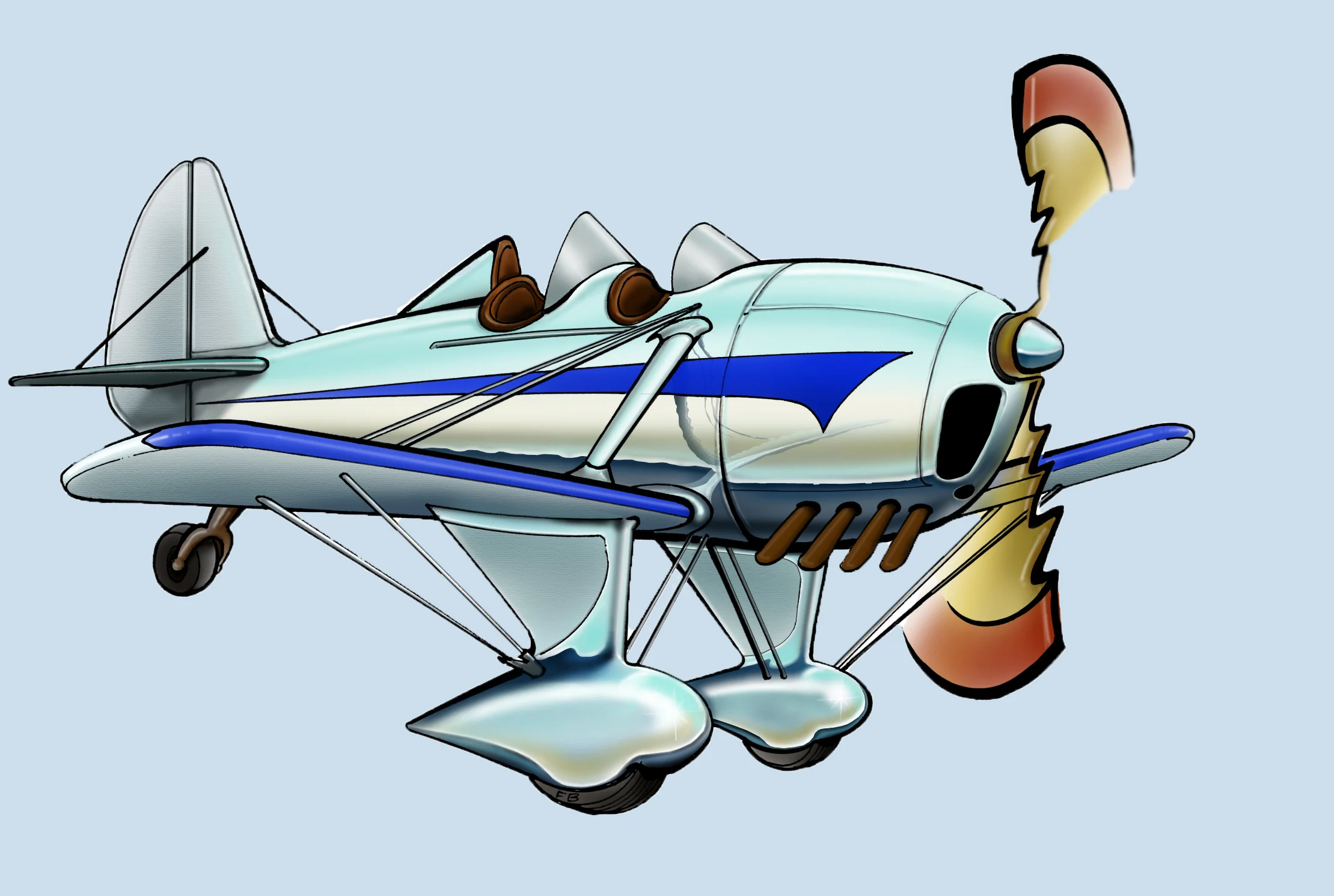
The aircraft was also made famous in model form, by SIG manufacturing. Designed by Maxey Hester, this Ryan became known by radio control modellers worldwide and is still a very popular kit today.
On July 10th, 1981 while being ferried by a friend of Mr. Gosneys the aircraft crashed.
At approximately 16:45 pm, the 42 year old, 12000 hour pilot was observed to perform a roll after takeoff and was unable to complete the split S manoeuvre. It was estimated the manoeuvre was started at 500 feet; The field elevation was approximately 4900 feet ASL. The aircraft was destroyed and the pilot killed.
Aircraft remains still exist.
It is the opinion of this author that the aircraft as modified by Bob Heuer, and subsequently displayed by John Gosney is arguably the most iconic Ryan ST-A of the series. It is certainly recognisable by both vintage aviation enthusiasts from the 60,s, 70,s and 80’s, but its use as the SIG Radio Control kit subject has also made it
Highly recognisable within the RC community. The engine conversion looks to have been highly successful, and the colour scheme was both unique and beautiful.
Ownership History
- O.J Whitney, Long Island, New York;
- Paterson Airways, Paterson, New Jersey;
- Matamoras Airways, Inc. Matamoras, Pennsylvania;
- W.P. Cutter, Cutter Carr Flying Service, Albuquerque New Mexico;
- Boyd C. Hawk, Rugby, North Dakota;
- H.E. Whiteman, Los Angeles, California;
- William Dodd, Prairie View, Illinois;
- Robert L. Heuer, Maple Park, Illinois;
- John Gosney, Rockford, Illinois,
Current Ownership
The aircraft remains still exist, dispersed between Mr. Gosney, and his son Cory.
John Gosney passed away in November 2015.
Notes
Photo Gallery